ContentPad Talent · by CPD Blackbook

An agency that still does the unglamorous half.

Representation, negotiation, contracts, invoices and the awkward follow-up email — done properly, and run on tooling most agencies do not have. For creators, streamers, models, artists and brand ambassadors.

Who we sign

Different rooms. Same job.

A streamer and a runway model do not have the same week. They have the same problem: the brand money is out there, and nobody is chasing it on their behalf.

Creators

Short-form, long-form, newsletters. You make the thing; we find who should be paying for it and make the paperwork survive a legal review.

Streamers

Live is a different sell — hours, exclusivity, category conflicts. We price it properly instead of taking the first number a brand says out loud.

Models

Editorial, commercial, campaign. Usage terms are where the money is won or lost, and they are the part nobody reads. We read them.

Artists

Sync, sponsorship, tour partners and merch. Built for musicians who want a brand business that does not compromise the catalogue.

Ambassadors

Long-term partnerships rather than one-off posts. Fewer deals, bigger deals, and terms that survive a change of marketing director.

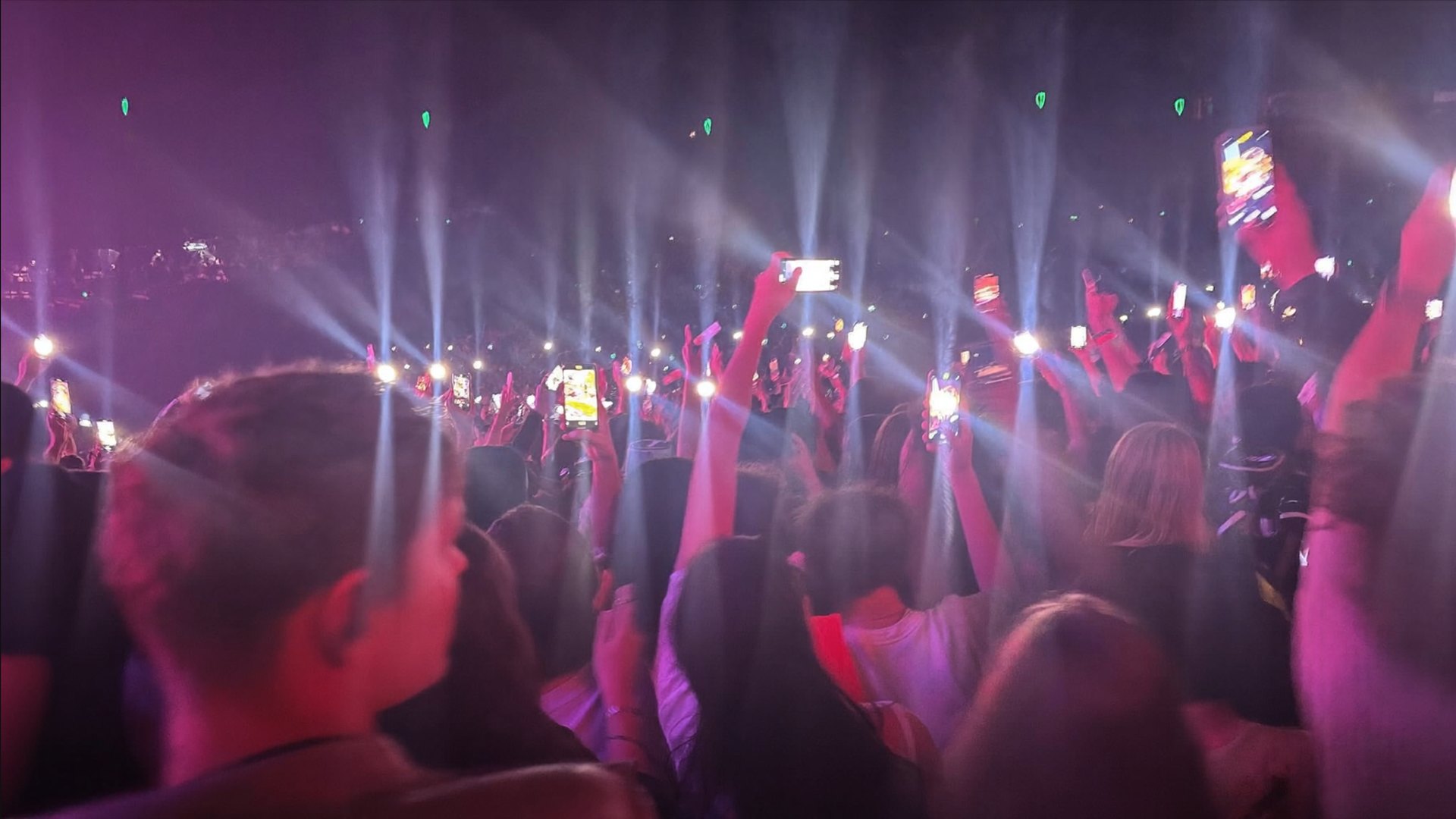
A crowd at a night concert, hands and phone lights raised through haze and coloured beams

Your audience is the asset.
Everything else is administration.

What we do

The traditional half, done without excuses.

None of this is novel. It is the work an agency is supposed to do, and the reason most talent ends up doing it themselves at midnight.

We go and get the deal

Outreach, pitching, and finding the person who actually signs the cheque rather than the inbox that never replies. We build the target list from what a brand has already published about who it works with — category, audience, deal shape, and the things it will not touch.

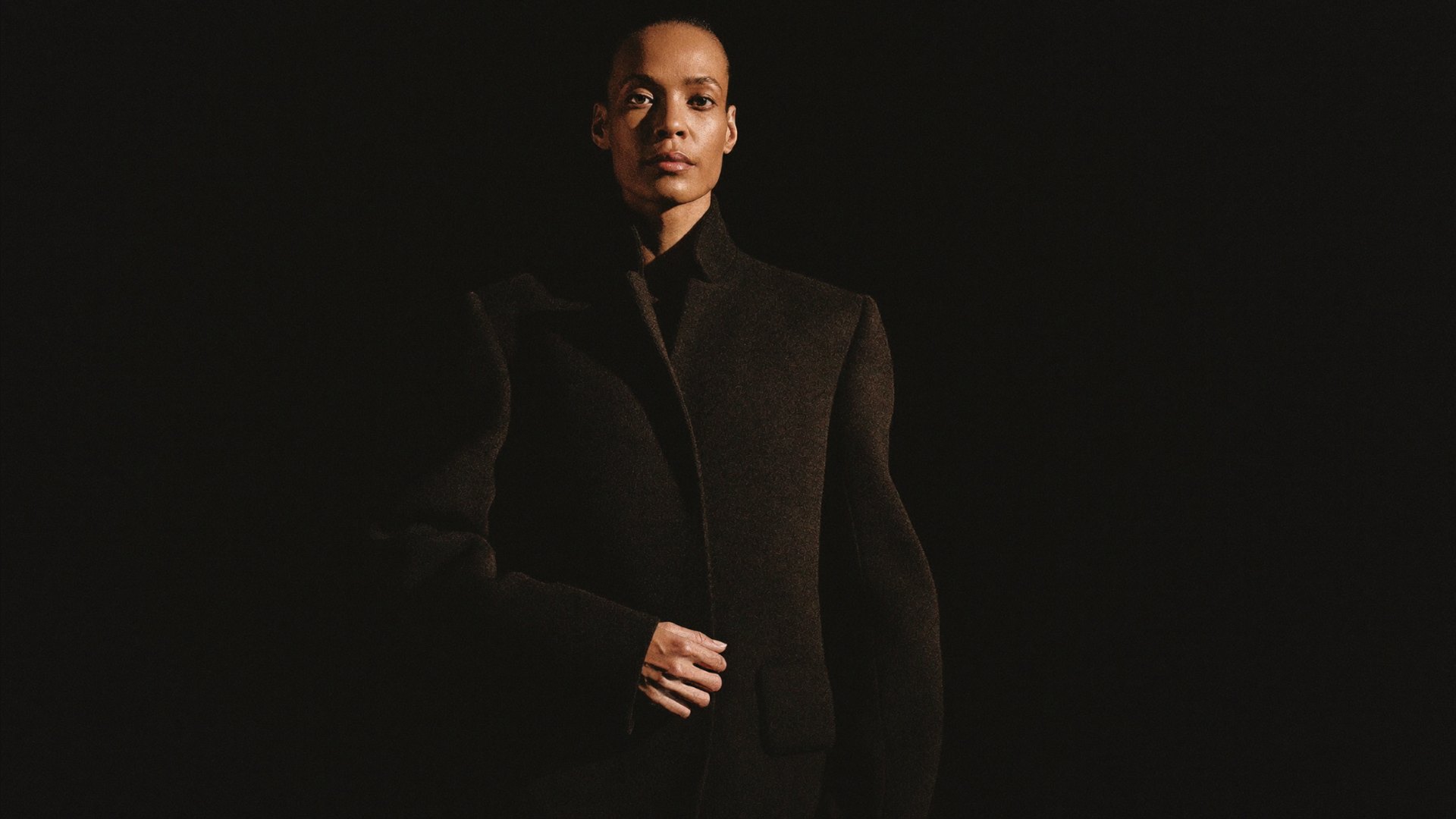
Studio fashion photograph, a model in a sculptural coat under a single hard key light

Campaign and editorial representation.

We negotiate, and we paper it

Rate, usage, exclusivity, term, approvals, kill fee. The deal goes to signature as a real document with real terms — not a DM thread and a vibe. Every version is kept, so when a brand remembers the agreement differently, there is a record.

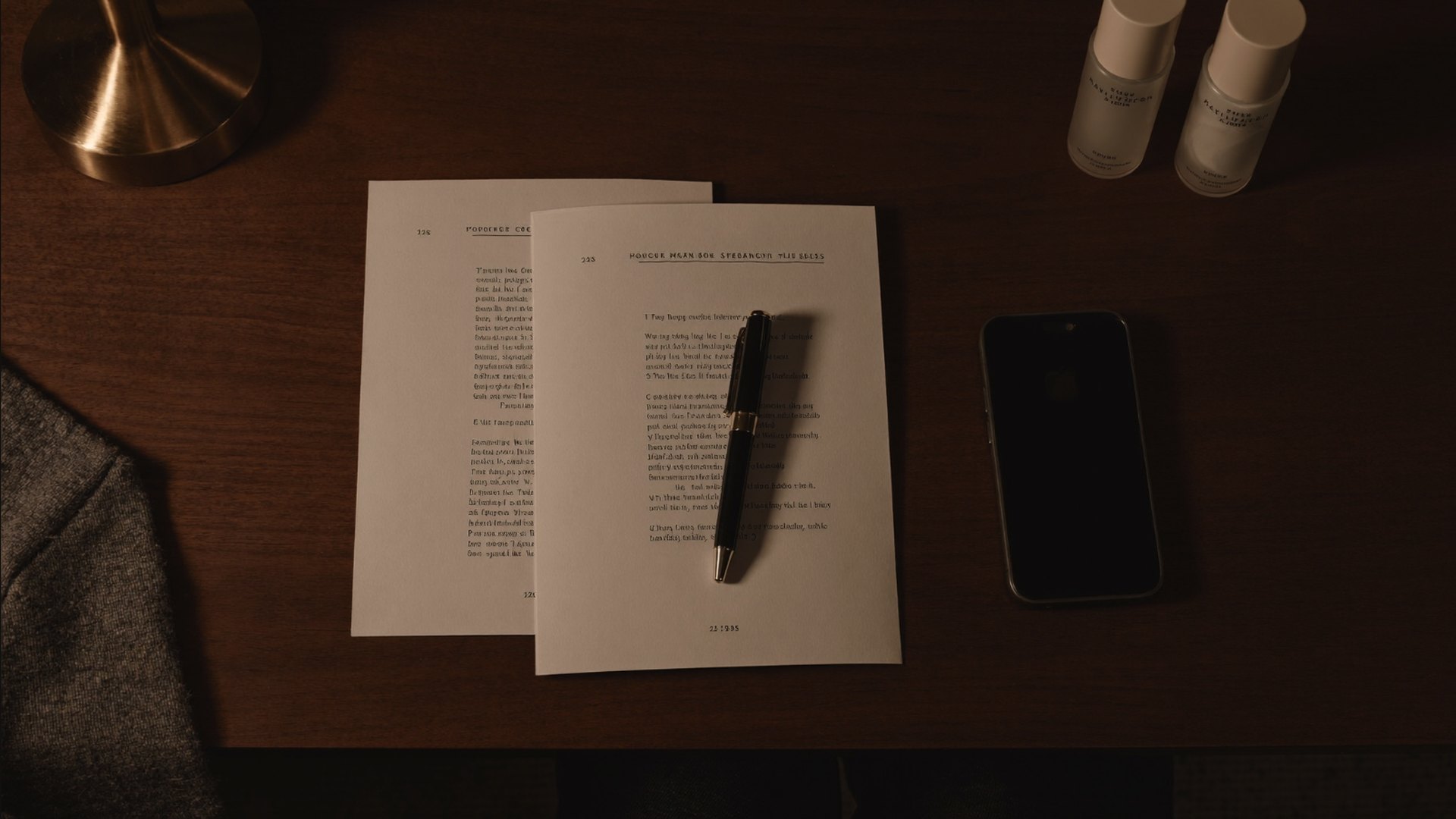
Overhead still life of a contract, a pen, a phone and product samples on a dark table

Contracts and e-signature in one place.

We chase the money

Invoice raised on delivery, payment tracked, and the follow-up sent on day thirty-one so you never have to write it. Overdue is worked out from the due date, not from whether anybody remembered to change a status.

A singer at a vintage microphone under a hard spotlight, mid-note

Music, sync and sponsorship.

Artist pages

Everyone we sign gets a real page. Not a link tree.

A page on our domain, at your name, built out of the dossier we already keep on you — and laid out for what you actually do. A DJ and a defensive end do not need the same page, so they do not get one.

Music

Leads with the catalogue. A ticker of the record, every platform button in one row, the release history, and a booking button that reaches a person.
See a music page ↗

Athlete

Leads with the season. Career highlights by year, the fixture list, the numbers that matter in your sport, and the sponsors who already back you.
See an athlete page ↗

Streamer

Leads with the clip. Your reel in a full-width frame, the schedule you actually keep, membership tiers, and the brands you have worked with.
See a streamer page ↗

Subscription creator

Leads with the offer. Tiers, what each one includes, and the links that pay — presented like a business, because that is what it is.
See a creator page ↗

Model

Leads with the book. Portfolio first, measurements as clean figures, the agencies and the campaigns, and one way to enquire.
See a model page ↗

A template is a starting point, not a cage.

Picking a layout moves the section order and the colours. It does not touch a word you have written. Try the athlete layout, then the model layout, then go back — everything you typed is still there.

Underneath, a page is an ordered list of sections, and there are twelve to choose from: the ticker, the numbers, the story, the catalogue, the platform links, the gallery, brand partners, career highlights, the schedule, membership tiers, video, and booking. Keep the ones that say something. Drop the rest.

The brands you work with, on the page.

A partners row carries the companies you have actually worked with — greyscale until someone hovers, then full colour. It is the first thing a brand looks for and the last thing a link-in-bio can show.

We check what a machine can check: the logo has to be hosted by us, and the link has to go where it says. Whether the relationship is real is a human's job, and a human does it before the page goes live.

How a page gets made

Built by you. Published by us.

Nothing goes live because somebody clicked the wrong button.

Pick the shape

Choose the template built for what you do. Five to start from, and every one of them is a page you can look at first.

Fill it in

Your name, the story, the numbers, up to six photos behind the headline, up to twelve videos, the links that matter, the partners.

Preview it

A private link that renders exactly what publishing would produce. Not an approximation of the page. The page.

Send it to us

We read it against a checklist: is it true, do you have the rights to the images, do the links go where they say, does it read like a professional page.

We publish it

Or we send it back with a note saying exactly what to change. Your draft sits safely underneath the live page the whole time.

It lives at your name

One address on our domain, ready to paste into a bio, an email signature or a pitch — and it does not expire when a platform does.

Whose page is it
Yours. You write it, you change it whenever you like, and the version the public sees never changes until it is approved.
What happens to my old link
Nothing. Keep it. This is the page you send when a link tree is not enough — a booker, a brand, a label, a scout.
Do I need to know anything technical
No. It is a form. If you can fill in a dossier you can build the page, and we do the part that goes wrong.
Does the enquiry go anywhere real
The booking button on your page files straight into the pipeline we work out of. It is not an inbox nobody opens.

Apply for representation

The other half

Where the technology actually changes the answer.

Not automation for its own sake. Three specific places where better tooling produces a different outcome than a spreadsheet and a good memory.

180brands tracked with the read that makes matching possible
15categories, from apparel to gaming to food and beverage
5weighted dimensions behind every fit score
0brands scored above a hard dealbreaker

Fit is scored, not guessed

Every brand in the corpus carries a derived read — who its audience is, what kinds of creator it signs, what a deal with it usually looks like, and what it will not go near. Your dossier is scored against all of it on category fit, audience overlap, creator type, values alignment and deal shape.

The number is deterministic. The written angle — the reason this particular partnership makes sense — is the part a person still writes.

Abstract macro of backlit lighting gels in magenta and cyan

A dealbreaker is a wall, not a low score

If a brand conflicts with something you have said you will not do, it does not come back ranked fifteenth. It is blocked outright, with the reason attached. That is the difference between a filter and a ranking, and it is the reason you can hand this list to a brand without wincing.

A content creator laughing at a neon-lit streaming desk

Creators and live streamers.

The content gets made here too

Concepts, campaign assets, cutdowns and the deliverables a partnership actually requires — produced in-house on the same platform the deal lives on. When a brand asks for three more edits in a different aspect ratio on Friday, that is an afternoon, not a renegotiation.

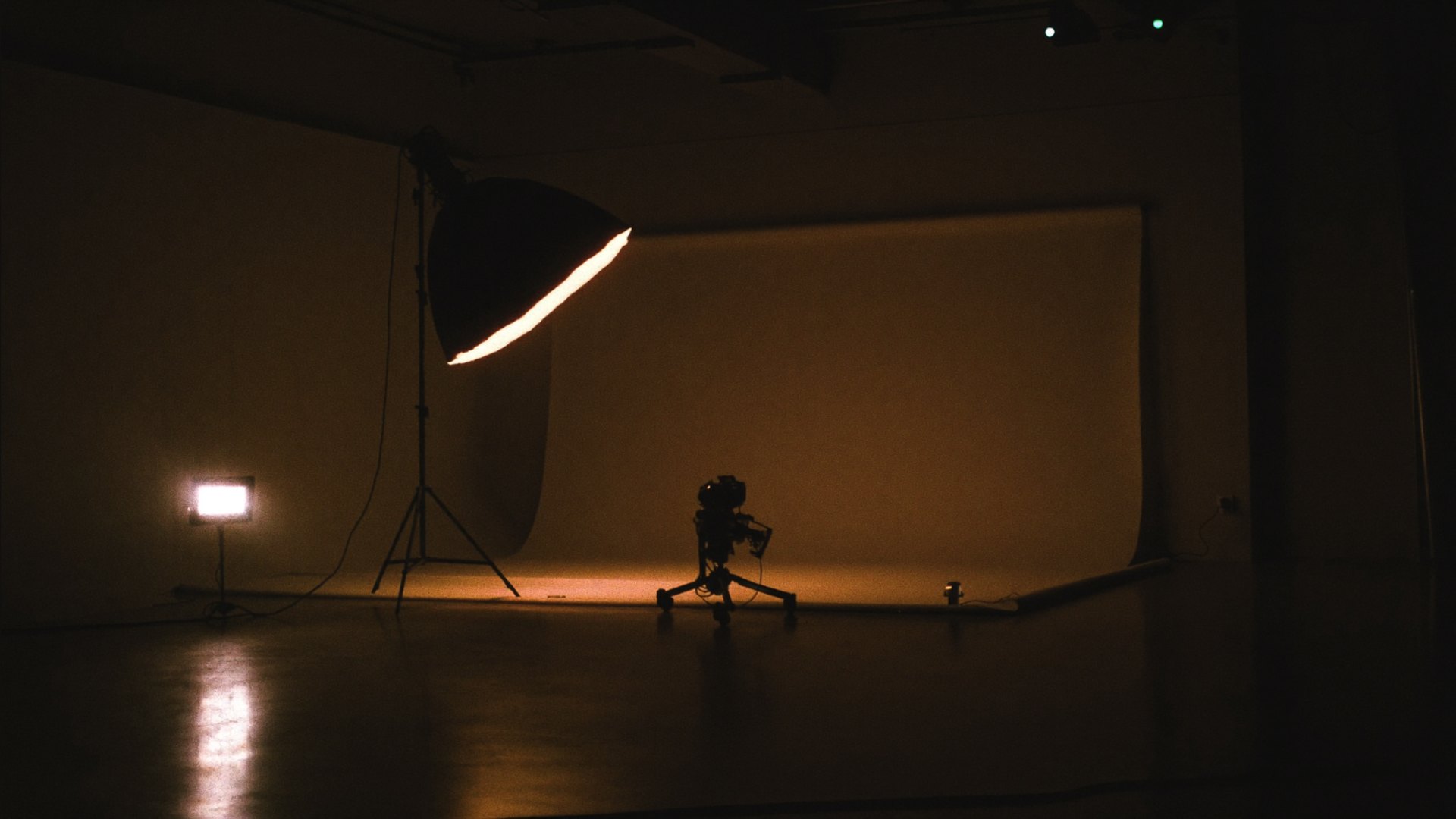
An empty creator studio at night lit by a single softbox

Production without a studio day.

How it works

Application to first payment.

You apply

The form below. Handles, audience, category, and what you actually want from an agency — because "more deals" and "better deals" are different jobs.

We look properly

Not a follower count. What you make, who watches it, what you have already turned down, and whether there is a brand market for it right now.

We talk

A real conversation about what you want the next two years to look like. If we are not the right agency for that, we will say so on the call.

We sign

A representation agreement with the term, the scope and the split written down. You get it to read before you get asked to sign it.

We build the target list

Your dossier is scored against the corpus. You see the matches, the reasoning and the blocks before anyone is approached in your name.

We pitch, close and invoice

Outreach, negotiation, contract, delivery, invoice, payment. You approve every deal before it is signed. Always.

Straight talk

The things you should ask any agency.

You have almost certainly been pitched by someone who avoided these. Here are our answers in advance.

Do we charge you to sign?
No. No onboarding fee, no monthly retainer, no paying us to "build your brand". We are paid a percentage of deals we bring you, agreed in writing before you sign anything.
Who owns your audience?
You do. Your accounts, your handles, your relationships. We never take control of a channel or hold a login as leverage.
Can you say no to a brand?
Yes, to any deal, for any reason. Your dealbreakers are recorded at the start and enforced by the system — brands that trip them are blocked before they ever reach you.
What happens if you leave?
You take your dossier, your deal history and your contacts with you. It is exported on request. Representation that relies on you not being able to leave is not representation.
Do we guarantee income?
No, and neither can anyone else honestly. Brand budgets move, categories cool off, and no agency controls that. What we control is how many qualified conversations you are in and how well the ones that land are papered.
Apply

Tell us what you make.

Everything except name and email is optional, but the more you give us the faster we can tell you whether there is a brand market for what you do. We read every application.

We reply to every application, usually within a week. Your details are used to assess representation and nothing else — we do not sell or share them.